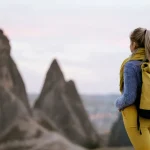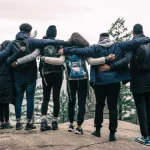

Travel has always been one of humanity’s most powerful impulses—a desire woven into culture, tradition, and the search for meaning. Yet in the last decade, the world of recreation and travel has undergone a profound transformation. Today’s explorers are seeking deeper authenticity, more mindful experiences, and new ways to reconnect with nature, culture, and themselves. Instead of simply visiting places, travelers are looking for ways to experience them—through local encounters, active recreation, slow travel, and immersive storytelling that links environment and memory.
This new era of recreation and travel is defined by curiosity, flexibility, and a growing respect for the world we move through. In this article, we explore the trends reshaping global journeys, the rise of experiential travel, and the ways modern adventurers are finding meaning on the road.
The Shift Toward Experience-Driven Travel
The traditional model of sightseeing—rushing through landmarks, snapping quick photos, moving on—has taken a backseat to experience-driven journeys that emphasize personal enrichment and emotional connection. Travelers want stories, not souvenirs; encounters, not itineraries.
1. Cultural Immersion Over Tourism
Instead of generic tours, modern travelers are seeking experiences that let them live, learn, and participate:
-
Cooking traditional meals with local families
-
Joining cultural festivals
-
Taking workshops in regional crafts
-
Staying in locally run guesthouses or homestays
This shift strengthens communities, preserves traditions, and gives travelers a richer, more meaningful understanding of place.
2. Adventure as a Lifestyle
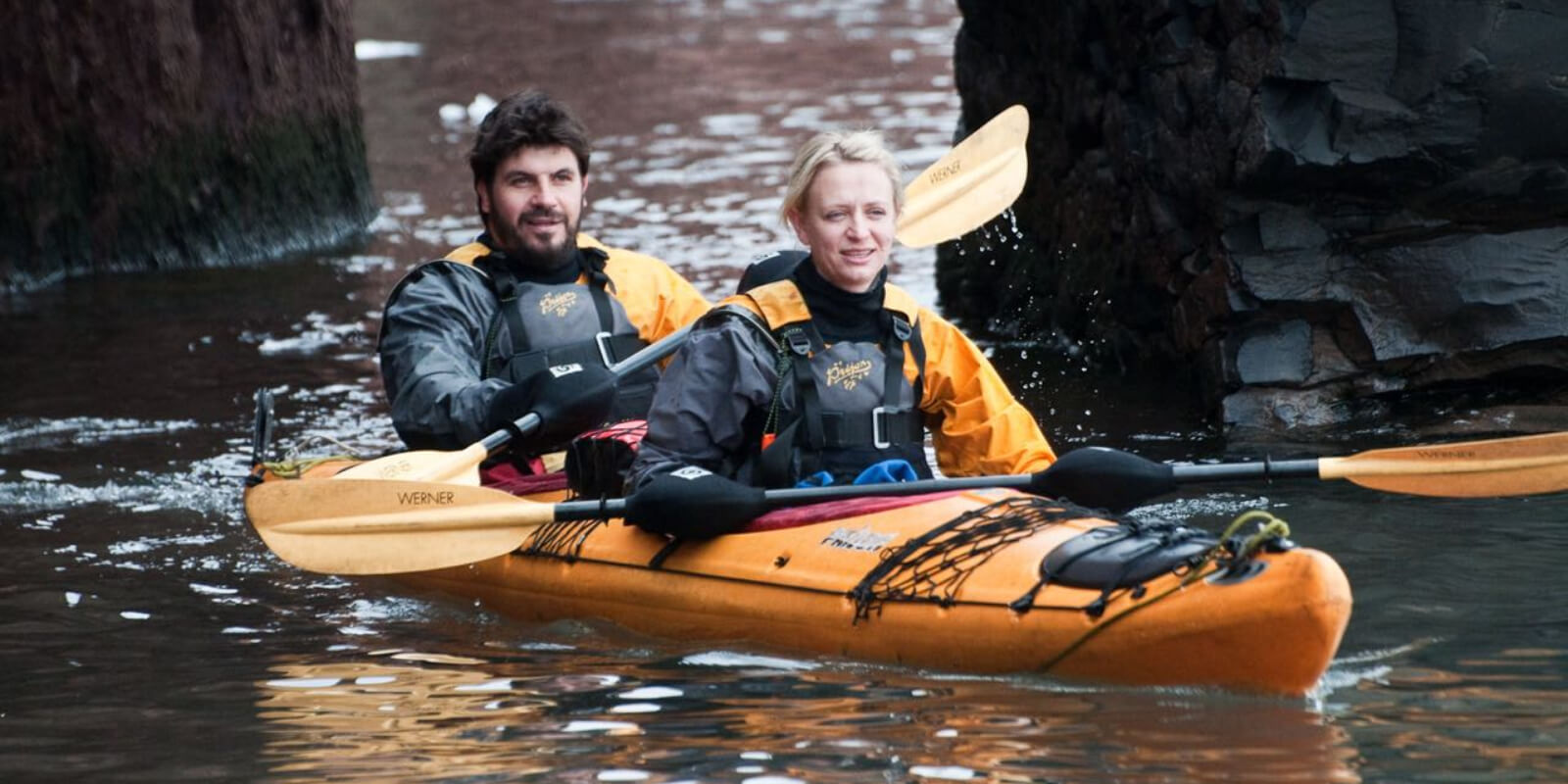
Adventure is no longer reserved for elite explorers. It has evolved into a spectrum of recreation accessible to nearly everyone—from urban hikers exploring city trails to long-distance cyclists crossing continents.
Activities such as:
-
kayak touring
-
mountain trekking
-
long-distance hiking
-
snorkeling and reef exploration
-
desert camping
-
wildlife safaris
…have grown into major pillars of global tourism. Adventure travel offers a blend of challenge, natural beauty, and emotional reward—a combination that resonates deeply in a world increasingly shaped by screens and routine.
The Rise of Slow Travel: A More Mindful Way to Explore
One of the most significant trends in recreation and travel today is slow travel. This approach encourages savoring the journey rather than rushing to the destination. It emphasizes:
-
staying longer in fewer places
-
forming genuine connections
-
minimizing environmental impact
-
appreciating everyday local life
Slow travel transforms even simple routines—shopping at local markets, riding a bus through small towns, walking through neighborhoods—into immersive cultural experiences.
For many travelers, this shift reflects a desire to escape the fast pace of digital life and rediscover a sense of calm, presence, and curiosity.
Nature-Based Recreation: The Search for Meaning Outdoors
As global interest in wellness grows, nature has become one of the most sought-after recreational settings. Travelers increasingly prioritize open spaces, fresh air, and meaningful contact with natural landscapes.
1. The Healing Power of Nature
Forest bathing, mountain retreats, and eco-lodges are no longer niche. They are becoming mainstream travel choices for people seeking mental clarity and physical rejuvenation.
From coastal walks in Portugal to volcanic treks in Iceland, nature-based activities encourage mindfulness, improve mood, and help travelers feel grounded in their surroundings.
2. Wildlife Encounters with Responsibility
Ethical wildlife tourism—observing animals without disturbing them—has become a major focus for conservation-minded adventurers. Popular examples include:
-
whale watching with non-invasive operators
-
photography safaris in protected areas
-
sea turtle conservation experiences
-
guided birdwatching tours
Travelers increasingly want their presence to contribute positively to wildlife protection rather than harm it.
3. Eco-Friendly Recreation
Sustainability is no longer just a trend; it’s a fundamental expectation. Travelers are choosing:
-
eco-lodges built with local materials
-
carbon-neutral tours
-
low-impact camping
-
public transit and cycling over car rental
Recreation that supports preservation—rather than exploitation—of natural landscapes is shaping the future of travel.
Digital Nomadism and the Blending of Work With Recreation
The rise of remote work has given birth to a unique group of travelers who blend recreation with long-term travel: digital nomads. For them, travel is not a two-week escape but an ongoing lifestyle.
Why this shift matters:
-
It boosts local economies through long stays
-
It encourages responsible, slower travel patterns
-
It spreads tourism beyond overcrowded hotspots
-
It fosters deeper cultural understanding
Destinations worldwide—from Bali and Chiang Mai to Lisbon, Belgrade, and Medellín—are evolving to attract remote workers with coworking spaces, community events, and digital nomad visas.
This fusion of recreation and work symbolizes how modern travel is expanding beyond vacation and becoming a way of life.
Technology Is Enhancing (Not Replacing) Real Experiences
While travel is often framed as an escape from technology, modern tech innovations are actually enhancing experiences rather than diminishing them.
Augmented reality (AR) guides
These transform historical landmarks into interactive stories, letting visitors see ancient ruins reconstructed in real time.
Smart navigation tools
Apps now help travelers find local food, avoid crowds, or discover scenic trails away from tourist zones.
Virtual try-before-you-go experiences
VR tours let travelers preview destinations, helping them choose more meaningful journeys rather than random trips.
Translation tools
Real-time translation enables deeper cultural interaction and reduces language barriers.
Technology’s role is to empower travelers—not replace the feeling of touching ancient stone, hearing waves crash, or standing atop a mountain at sunrise.
The Emotional Value of Shared Experiences
Travel and recreation are not only about seeing the world—they are also about forming connections. The most memorable journeys are shaped by people we meet and the emotions tied to each place.
Shared experiences provide:
-
stronger friendships
-
lasting family memories
-
deeper appreciation for global diversity
-
personal transformation
Whether it’s joining a communal hike, sharing a meal with strangers, or participating in a cultural ceremony, these moments create stories travelers carry for a lifetime.
The Future of Recreation and Travel
The evolution of recreation and travel will continue to reflect global priorities, technological progress, and the personal values of explorers. Based on current trends, the future is likely to emphasize:
1. Sustainable, low-impact tourism
A global commitment to protecting cultural and natural heritage.
2. Hyper-local, community-centered experiences
Travelers supporting small businesses and local artisans.
3. Greater accessibility
More destinations and activities designed for people with disabilities, seniors, and diverse travelers.
4. Seamless digital integration
Technology that elevates experiences without overshadowing them.
5. Personal wellness journeys
Retreats, outdoor recreation, and mindful travel as core motivations.
The future of travel is not about going farther—it’s about going deeper.

Conclusion
Recreation and travel are experiencing a renaissance—one shaped by authenticity, mindfulness, sustainability, and the desire to reconnect with the world in meaningful ways. Travelers today are not merely passing through destinations. They are engaging with communities, seeking balance in nature, embracing slow and intentional movement, and creating personal narratives that define who they are.
In this new era, travel becomes more than recreation. It becomes a journey inward, a celebration of culture, and a reminder of the beauty that connects us all.